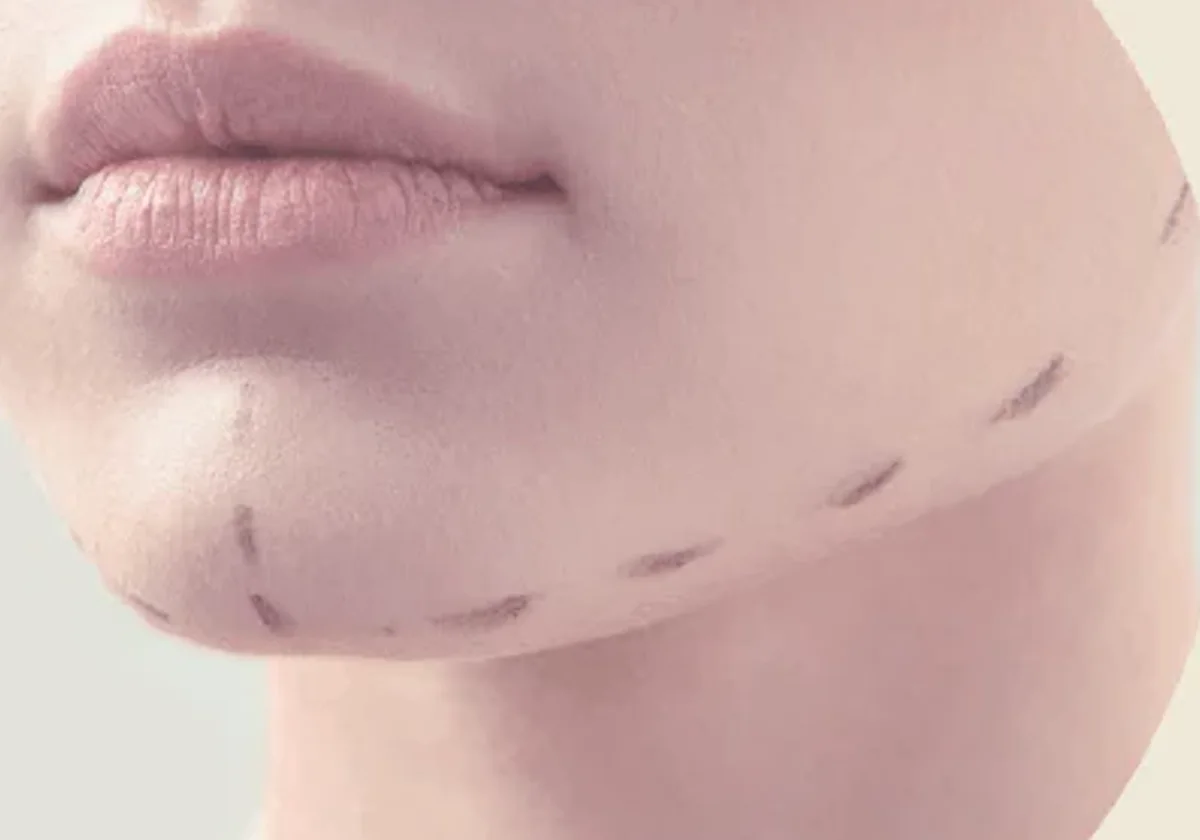
Chin surgery
Chin surgery changes the position or shape of the chin. Planning considers its relationship with the lips, nose and jaw, as well as the technique best suited to the anatomy.
Explore treatment
Buccal fat removal reduces part of the fat pads within the cheeks. Careful selection is essential because facial proportions and volume continue to change over time.
Request a consultation
A slimmer-looking face does not always call for buccal fat removal. Assessment should consider current volume and future facial ageing, alongside alternatives and the implications of removing tissue.
Discuss previous surgery, medication, allergies, smoking and relevant health conditions. Do not stop prescribed treatment on your own. Examination and any investigations requested by the specialist help establish suitability and the appropriate care setting.
Before deciding, ask for a plan covering the technique, anaesthesia, care setting, responsible clinician and follow-up. Arrange support and recovery time with your team; return to work, exercise or travel needs individual advice rather than a universal timetable.
Surgery can involve bleeding, infection, healing problems, altered sensation and an outcome that differs from expectations, alongside procedure-specific and anaesthetic risks. Your consultation should explain the risks relevant to you and how they are managed; no technique is risk-free.
At BELA, the starting point is a conversation about your needs with the professional assessing them. Request information or call to prepare your visit. If you are travelling from Elche or the surrounding area to Alicante, discuss travel and follow-up arrangements before making plans.
A consultation helps you understand options, risks and alternatives, including no treatment. Ask about consultation terms when booking and decide once your questions have been answered.
The plan depends on the chosen technique, your circumstances and your response. Ask about visits, care, activity restrictions and a contact route before arranging work, exercise or travel.
Chin surgery changes the position or shape of the chin. Planning considers its relationship with the lips, nose and jaw, as well as the technique best suited to the anatomy.
Explore treatment
Facial fat transfer uses fat from your own body to address selected areas of volume loss. The surgeon assesses both the donor site and the areas to be treated.
Explore treatment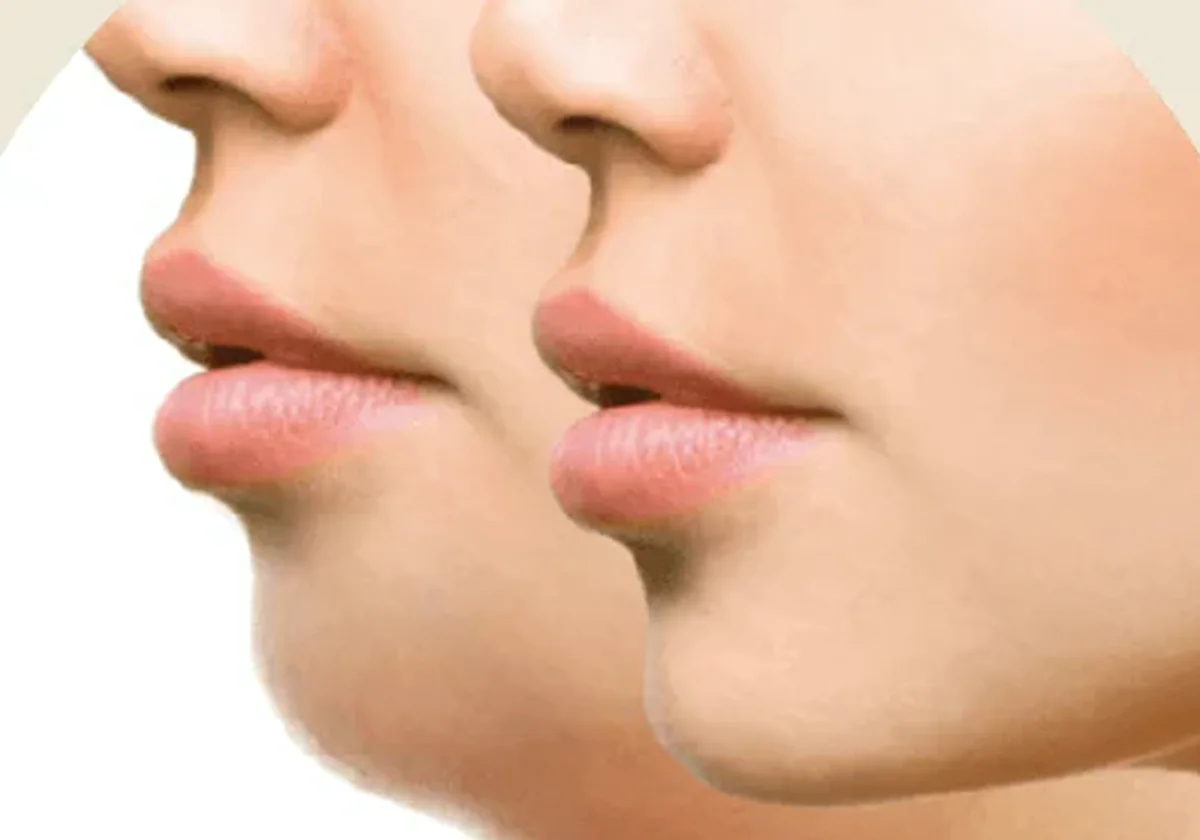
Surgical assessment of a double chin considers fat, skin and the underlying support structures. The most suitable approach depends on which tissues contribute to the contour.
Explore treatmentTell us what you would like to address. We will help you find a starting point.